
LLC (SARL) INCORPORATION IN LEBANON — A PRACTICAL, PROFESSIONAL VIEW FOR ENTREPRENEURS ACROSS THE WORLD
Below blog is a detailed, practical overview to form a Limited Liability Company (commonly called a SARL or LLC) in Lebanon. It covers the business environment, why entrepreneurs choose Lebanon, the legal & practical steps to incorporate an SARL, capital and ownership rules, tax and social-security highlights, compliance, pros, and practical tips for foreign investors.
Introduction to Lebanon and Doing Business There
Lebanon is a small but open economy that historically served as a regional commercial, banking and professional-services hub. It offers a liberal trade and investment environment with generally unrestricted foreign ownership for most sectors, a range of corporate forms (SARL/LLC, SAL/joint-stock, branch, representative office), and a legal framework based on the Code of Commerce. While Lebanon has faced economic and political challenges since 2019, the legal framework for company formation and the possibility of full foreign ownership remain important attractions for regional entrepreneurs, service firms, and export-oriented businesses.
Why form an LLC (SARL) in Lebanon — Key Benefits
- Limited liability for partners (liability limited to capital contribution), making it a low-risk vehicle for SMEs.
- Low/minimal capital requirements compared with joint-stock companies (SAL), so SARLs are well suited to small and medium ventures.
- No blanket restriction on foreign ownership in most sectors foreigners can generally own 100% of shares, with specific exceptions regulated by law. This makes SARL attractive for non-resident investors.
- Relatively straightforward registration at the Trade Register and local banks; many registrations can be completed quickly with local counsel.
What is an SARL (LLC) — The Essentials
- The SARL (Société à Responsabilité Limitée) is Lebanon’s standard limited liability company form for SMEs. It combines partner-limited liability with a simpler governance model than joint-stock companies (SAL).
- Partners: usually between 1 (in practice often more) and 20 partners many sources note single-member SARLs are possible, though registration practice and wording vary; corporate shareholders are generally permitted.
- Capital: legal references cite a modest minimum capital (figures vary by source and currency/updates). Many official and professional sources indicate a low minimum in Lebanese pounds or a small USD equivalent in practice banks will ask for a tangible deposit and proof of paid-up capital when you register. Always confirm the currently accepted minimum with local counsel/bank.
Step-by-Step: How to Incorporate an SARL in Lebanon
- Decide company name & activity — choose an available name and confirm permitted activities (some activities require sectoral licenses).
- Prepare constituent documents — draft the Articles/By-laws (in Arabic or bilingual), identify partners, capital contribution schedule and management structure; minutes of the constitutive meeting.
- Open a bank account and deposit capital — banks commonly require deposit of the company’s subscribed capital and will issue a bank certificate confirming deposit (“capital under subscription” / “capital paid-in” depending on stage). Published guidance references specific minimum amounts (see local counsel/bank for the current figure).
- Obtain necessary external approvals / licenses — certain regulated activities (e.g., financial services, medical, telecommunications, real estate-related) require sectoral permits before registration.
- Register with the Trade Register (Commercial Register) — submit constitutive documents, bank certificate, identification documents of partners, copies of leases for the registered office, and application forms. Registration is done at the Court of Commerce/Trade Register in the company’s district.
- Publication & registration formalities — file for tax ID, VAT registration (if applicable), and register with the National Social Security Fund (NSSF) for employees. You will also need to register for municipal tax/licences as relevant.
- Obtain statutory books & appoint auditor — SARLs must keep statutory books and, depending on size and bylaws, appoint an auditor.
Typical timeline: local service providers commonly report registration within a few weeks when documents are in order but timing varies by bank and sectoral approvals. Always allow extra time for licensing or complex ownership structures.
Capital, Partners & Ownership — Practical Points
- Capital: Sources differ on specific minimums reported in older and newer documents (LBP or USD amounts). Many practical guides and government notes reference small statutory minima (often a few million LBP or a few thousand USD equivalent), but banks may expect a higher effective deposit. Confirm with your bank and advisor.
- Share transfer: transfers in an SARL are typically subject to approval of existing partners (often a 3/4 majority rule is applied); partners often benefit from pre-emptive rights. Plan shareholder agreements accordingly.
- Foreign ownership: generally permitted up to 100% (exceptions for regulated sectors). If you are a foreign investor, check sector-specific rules (e.g., real estate, certain regulated services) before finalizing structure.
Tax, VAT and Social Security
- Corporate income tax: published sources put Lebanon’s headline corporate tax around the mid-teens to high-teens percent (commonly quoted ~15–17% range). Confirm current rate with tax advisor or the tax authority before finalizing financial projections.
- Value-Added Tax (VAT): standard VAT is charged on most commercial transactions — widely reported standard rate is 11% (with zero-rating or exemptions for certain exports and services).
- Social security (NSSF): employers must register employees with the NSSF and make contributions; there have been recent updates to ceilings and contribution rules (check the NSSF notifications and local payroll advisers for the latest ceilings and percentages).
Ongoing Compliance & Governance
- Annual general meeting of partners is required (typically once a year). Financial statements must be prepared and, depending on company size, audited.
- Bookkeeping & statutory books: maintain accounting records, tax filings, payroll records and statutory registers (shareholders, director appointments, minutes).
- Local representation: while directors can be foreign, practical dealings with banks, licensing bodies and the Trade Register are usually handled by a local lawyer or corporate service provider. Expect to appoint a local representative for some procedural steps.
Typical Timeline & Cost Considerations
- Timing: where documents, bank deposit, and licensing are straightforward, registration can often be completed within a few weeks. Complex or regulated activities take longer.
- Costs: include legal and translation fees for the bylaws, bank fees and minimum capital deposit, Trade Register fees, notary fees, licensing fees (if any), and professional fees for incorporation assistance. Ask for a full fee estimate from your local counsel or incorporation agent.
Pros of Incorporating — A Balanced View
- Limited liability and a straightforward structure for SMEs.
- Generally open to foreign investment, with flexible ownership rules for many sectors.
- Proximity to regional markets and a strong services sector tradition.
Practical Tips for Foreign Founders
- Engage local counsel early. A Lebanese lawyer (and a trusted bank contact) will speed up document drafting, notarization, bank deposit and Trade Register interactions.
- Confirm capital expectations with banks. Published statutory minima may differ from what banks expect to see as deposited funds for corporate accounts ask beforehand to avoid delays.
- Check sectoral restrictions. For regulated sectors (financial services, insurance, certain real-estate activities), confirm whether special permits or Lebanese-national requirements apply.
- Plan for payroll & NSSF administration. Use local payroll providers to handle frequent regulatory updates and contribution ceilings.
- Consider tax modelling. Use local tax advisers to model corporate tax, VAT and payroll obligations for better cash-flow planning.
Conclusion
Forming a SARL (LLC) in Lebanon is a practical option for small and medium enterprises, particularly where limited liability and relatively low formal capital requirements are needed. The legal framework supports foreign investment and corporate ownership in most sectors, but recent macroeconomic and banking challenges mean that careful local due diligence, early engagement with banks and local counsel, and active tax/payroll planning are essential before committing.
How We May Assist
Our firm provides end-to-end, partner-led support for entrepreneurs, SMEs, and foreign investors seeking to incorporate and operate a Lebanese LLC (SARL) efficiently and compliantly. Our assistance typically includes:
- Pre-incorporation advisory
- Jurisdiction & structure assessment — advising whether an SARL is the most suitable vehicle versus alternatives (SAL, branch, representative office).
- Activity & licensing review — confirming whether your proposed business activity requires sector-specific approvals in Lebanon.
- Foreign ownership & investment compliance — guidance on ownership structuring for non-resident shareholders.
- Company incorporation & registration
- Name reservation & feasibility checks with the Commercial/Trade Register.
- Drafting of constitutional documents (Articles of Association / Bylaws, shareholder resolutions) in line with Lebanese Commercial Law.
- Coordination with local counsel, notary, and authorities for filing and registration with the Trade Register.
- Bank coordination for opening the company account and facilitating capital deposit certification.
- Post-incorporation setup
- Tax registration (corporate income tax, VAT where applicable).
- National Social Security Fund (NSSF) registration for employees.
- Municipal and operational registrations, including trade license formalities.
- Appointment of auditor and statutory books setup, where required.
- Ongoing compliance & corporate services
- Annual compliance management — partner meetings, resolutions, and statutory filings.
- Accounting, payroll & VAT coordination through trusted local professionals.
- Changes in shareholding, capital, or management, including amendments to Articles and Trade Register updates.
- Cross-border & investor support
- Foreign shareholder representation through powers of attorney.
- Cross-border tax structuring and coordination with home-country advisors.
- Business expansion support, including additional licenses, branch registrations, or restructuring.
- Focused, practical approach
Given Lebanon’s evolving economic and regulatory environment, we emphasize:
- Banking-practical solutions to minimize account-opening delays.
- Clear timelines and cost transparency at every stage.
Whether a first-time founder or an international group entering Lebanon, our objective is simple: to deliver a smooth, compliant, and commercially sound LLC incorporation, while allowing to focus on building your business.
For more information or queries, please email us at
enquiries@chandrawatpartners.com
Key Contact
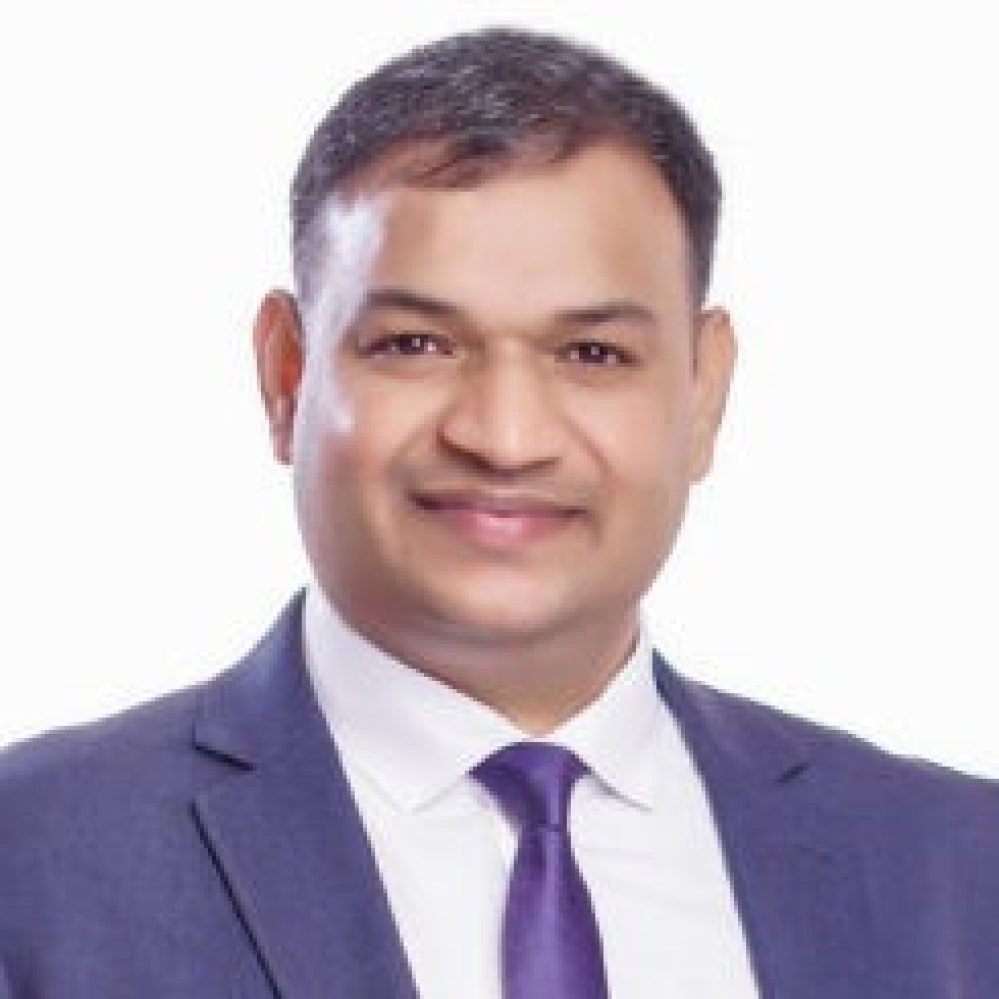
Surendra Singh Chandrawat
Global Managing Partner
