+379
Doing Business in Vatican City
We have a dedicated team of professionals ready to assist you with all your institutional and mission-driven objectives, allowing you to focus on expansion and engagement opportunities in Italy and beyond.
Why Vatican City?
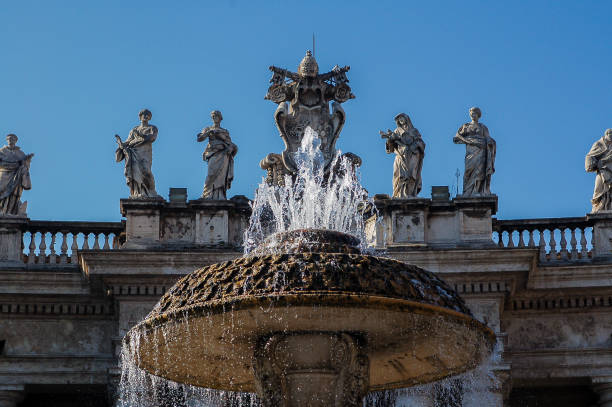
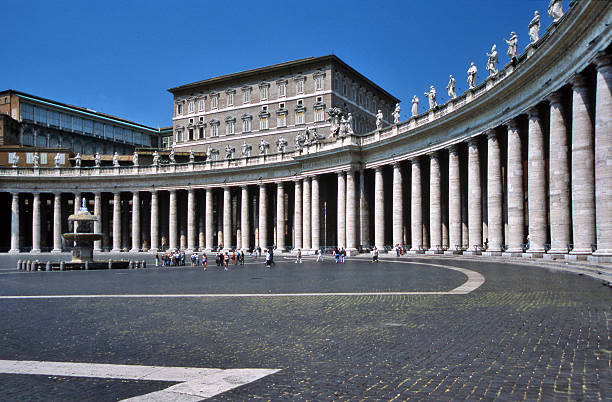
Located at the heart of Rome, Vatican City is the world’s smallest sovereign state, both in area and population. While it shares its only border with Italy, it maintains a unique legal and institutional identity. The city-state is the spiritual and administrative epicenter of the Roman Catholic Church and serves as the official residence of the Pope.
Despite its limited physical size, Vatican City wields substantial global influence through its religious authority, diplomatic network, and cultural heritage. Although it does not possess a commercial economy in the traditional sense, it functions as a specialized jurisdiction rooted in ecclesiastical governance, religious tourism, cultural management, and financial administration through the Institute for the Works of Religion (IOR), commonly referred to as the Vatican Bank.
Its unique sovereignty, neutrality, and moral leadership make Vatican City an ideal destination for religious foundations, cultural institutions, and mission-driven organizations seeking symbolic and strategic presence in one of the most influential spiritual capitals in the world.
ADVANTAGES
• Spiritual and Diplomatic Capital -
Vatican City serves as the global headquarters of the Roman Catholic Church, representing over 1.3 billion Catholics worldwide. It maintains diplomatic relations with more than 180 countries and actively participates in international efforts related to peace, ethics, interfaith dialogue, and humanitarian cooperation. Its recognized neutrality and moral standing enhance its role in global ethical discourse and conflict mediation.
• A Global Center for Religious Tourism and Culture -
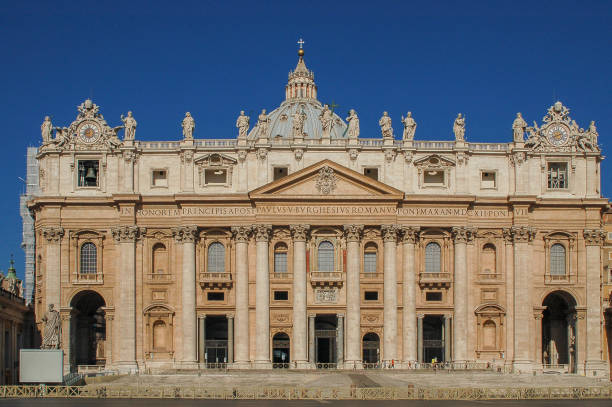
Home to world-renowned landmarks such as St. Peter’s Basilica and the Sistine Chapel, Vatican City draws millions of pilgrims and cultural tourists annually. This steady influx sustains economic activities related to hospitality, religious services, museum operations, and papal events, contributing to the city-state’s cultural economy.
• Distinct Legal and Financial Framework -
Vatican City operates under Canon Law and the 2023 Fundamental Law of the Vatican City State. Its centralized governance model ensures legal and institutional consistency. The IOR, operating under strict internal regulations and overseen by the Supervisory and Financial Information Authority (ASIF), aligns with international financial standards. The Vatican remains tax-exempt, making it a distinctive environment for religious and philanthropic entities.
• Pro-Ecclesiastical Support Ecosystem -
Organizations aligned with ecclesiastical, educational, or cultural missions receive comprehensive institutional support, including access to Vatican networks, permissions, and collaboration opportunities with Pontifical Academies and religious institutions.
• Cultural and Intellectual Influence -
As the custodian of some of the world’s most significant religious and artistic treasures, Vatican City continues to shape global dialogue on theology, culture, and ethics. Its institutions—including the Vatican Museums, Apostolic Library, and various publishing houses—are instrumental in preserving and disseminating religious knowledge and intercultural understanding.
• Eurozone Access with Unique Sovereignty -
Though not an EU member state, Vatican City uses the euro through a formal agreement with the European Union. This arrangement enables seamless cross-border financial activity while preserving the Vatican’s institutional autonomy.
SIMPLE TAX REGIME
Vatican City’s taxation system differs significantly from conventional jurisdictions, operating under a non-commercial, donation-driven economic model.
- Individual Taxes
- No national income tax
- No municipal or regional tax
- No wealth tax
Residents—primarily clergy, religious personnel, and diplomats—are exempt from Vatican taxation, although they may have fiscal responsibilities in their countries of origin, subject to bilateral agreements.
- Tax Residency – Vatican citizenship and residence are strictly limited to ecclesiastical or diplomatic roles. Traditional concepts of tax residency are not applicable.
- Vatican citizens are not taxed locally but may be subject to external tax obligations.
- Non-residents are not taxed on income earned within Vatican City.
- Corporate Income Taxes (CIT) – Vatican City does not levy corporate income taxes. Economic activities are managed by ecclesiastical or institutional bodies and are non-commercial in nature.
- No corporate tax regime equivalent to Italy’s IRES or IRAP
- Vatican financial institutions such as the IOR operate under internal oversight by ASIF
- Value Added Tax (VAT) – While Vatican City does not impose its own VAT, certain cross-border transactions involving goods or services may be subject to Italian or EU VAT regulations. This primarily applies to tourism-related purchases or imports into Vatican territory.
Vatican City’s tax framework supports religious, cultural, and philanthropic institutions by offering a simplified, donation-based model free from conventional taxation.
Vatican City Entities
Due to its unique legal and religious identity, Vatican City does not utilize the corporate structures common in other nations. However, it hosts several institutional and canonical forms under which organizations may function.
- Ecclesiastical Entities (Canonical Legal Persons) – These include religious orders, congregations, dioceses, and other Church-affiliated organizations.
- Established by decree of the relevant Vatican Dicastery
- Governed under Canon Law
- Empowered to own property, manage institutions, and operate globally for religious and charitable purposes
- Vatican Foundations and Non-Profit Institutions – These entities support specific apostolic, cultural, or educational missions.
- Must obtain statutory approval from the Vatican
- Operate under close oversight from authorities such as the Council for the Economy or ASIF
- Serve religious, humanitarian, or cultural goals
- Pontifical Academies and Research Institutions – Academic bodies focused on theology, science, and ethics.
- Created by Papal decree
- Hold special canonical status
- Engage in global collaboration with universities and intergovernmental organizations
- Vatican Administrative Offices – These include the Vatican Museums, Library, and Publishing House.
- Operate as departments of the Holy See
- Manage cultural and religious activities under centralized governance
- May engage in revenue-generating activities such as ticketing or sales, but are not structured as separate legal entities
- Representative Offices (Liaison Offices) – Foreign governments and organizations may establish liaison offices for religious or diplomatic coordination.
- Created through ecclesiastical or diplomatic arrangements
- Serve communication and cooperation purposes
- Require formal authorization by the Secretariat of State
- Branches and Operational Presence in Italy – Due to space and jurisdictional limitations, affiliated operations are often conducted through branches or subsidiaries in Italy.
- Registered under Italian law (e.g., S.r.l. or S.p.A.)
- Maintain religious or operational ties with Vatican institutions
- Subject to Italian tax and corporate regulations