
+1 767
Dominica
We have a team of experienced professionals dedicated to supporting all your business requirements—ensuring smooth operations and full regulatory compliance. This strong foundation enables you to confidently establish and grow your business in Dominica with efficiency and assurance.
WHY DOMINICA?
Dominica, officially the Commonwealth of Dominica, is an island country in the Caribbean. It is part of the Windward Islands chain in the Lesser Antilles archipelago in the Caribbean Sea. The capital, Roseau, is located on the western side of the island. Dominica’s closest neighbours are two constituent territories of the European Union, both overseas departments of France: Guadeloupe to the northwest and Martinique to the south-southeast. Dominica comprises a land area of 750 km2 (290 sq. mi), and the highest point is Morne Diablotins, at 1,448 m (4,751 ft) in elevation. The population was 71,293 at the 2011 census.The country is a member of the Commonwealth of Nations, the United Nations, the Organization of American States, the Organisation Internationale de la Francophonie, the Organisation of Eastern Caribbean States and the Non-Aligned Movement.
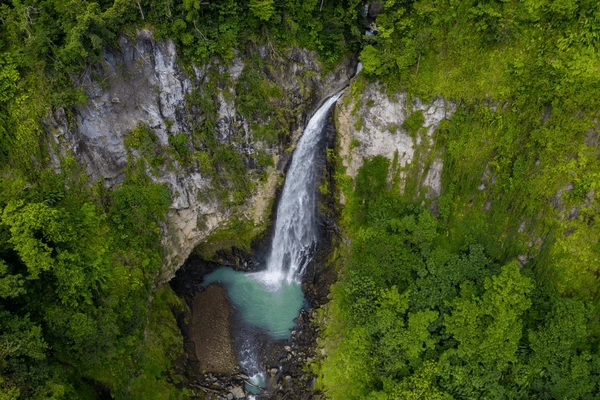
In 2024, the population of Dominica grew to over 75,000. At the same time, its economy has grown tremendously. Around independence, the island had a GDP of around $70 million, but by 2024 this had increased tenfold to $750 million. The GDP is projected to continue growing by 4.2% in 2025 and at a similar rate for the next few years. Dominica’s economy is largely based on agriculture though oil and eco-tourism are growing industries and represent opportunities for potential foreign investment. Along with the other seven members of the Organization of Eastern Caribbean States (OECS), Dominica uses the Eastern Caribbean dollar (XCD)as its currency which is pegged to the US dollar at a rate of 1 XCD = 0.37 USD. The country’s economy has grown to a value of around 2.026 billion XCD (around 750 million USD). This growth has been powered by agriculture, financial services, oil and gas exports, and tourism in recent years. Renewable energy, especially based on the island’s geothermal potential, is another growing industry in Dominica. Dominica has a moderate per capita income of $9,940, which makes it an upper-middle-income country, according to the World Bank. Dominica is very open to foreign investment and continues to attract companies to set up within its borders.
ADVANTAGES
Favourable Tax Regime:
International Business Companies (IBCs) and qualifying approved enterprises can enjoy substantial tax benefits, including exemptions from income, capital gains, withholding, transfer, and stamp taxes. There are no wealth, gift, or inheritance taxes.
Economic and Currency Stability:
As a member of the Eastern Caribbean Currency Union (ECCU), Dominica uses the Eastern Caribbean dollar (XCD), which has been pegged to the US dollar at a fixed rate of XCD 2.70 to $1.00 since 1976. This provides a stable currency environment for trade and investment.
Government Incentives:
The government offers various investment incentives, such as generous tax holidays (up to 20 years for some hotel/resort developments), duty-free concessions on imported equipment and raw materials, and exemption from VAT on some capital investments. The Invest Dominica Authority (IDA) assists investors in navigating the process.
Market Access:
Membership in the Caribbean Community (CARICOM) and the OECS Economic Union grants businesses preferential access to a wider regional market for goods, capital, and labour. Dominica also benefits from trade agreements with the European Community, the UK, Canada, and the Caribbean Basin Initiative (CBI), which provides duty-free access to the U.S. market for many products.
Unrestricted Profit Repatriation:
Foreign investors are generally permitted to repatriate all profits, dividends, and imported capital without any restrictions or exchange controls.
Business Ownership and Confidentiality:
Foreign investors can hold up to 100% of their investment in a local business. For IBCs, the names of directors and shareholders are not part of any public record, ensuring a high level of confidentiality.
Strategic Location and Resources:
Located in the Eastern Caribbean, Dominica is a strategic hub for serving other Caribbean nations. It has abundant natural resources, particularly in water and agriculture, and is actively developing its renewable (geothermal) energy sector.
Skilled Workforce:
The country has a high literacy rate and access to a pool of skilled professionals, many of whom have international training and experience.
TAX REGIME
Individual Income Tax (Residents):
Progressive rates apply after a tax-free threshold of EC$30,000.
- EC$0 – 30,000: 0%
- EC$30,001 – 50,000: 15%
- EC$50,001 – 80,000: 25%
- EC$80,001 and above: 35%
Individual Income Tax (Non-Residents):
Taxed on local income, with a 15% withholding tax generally applied to dividends, interest, and royalties.
Corporate Tax:
A standard rate of 25% applies, though incentives, such as tax holidays for up to 20 years, are available under the Hotel Aids Act for specific industries.
Value Added Tax (VAT):
The standard rate is 15%, with a reduced 10% rate for hotel accommodation and diving services.
Other Taxes:
There is no capital gains tax, and no estate or death tax. Social contributions are required (6.75% for employees, 7.75% for employers).
Residency Rules:
Individuals present in Dominica for more than 183 days in a year are generally considered tax residents.
DOMINICA COMPANIES
International Business Company (IBC):
Designed for offshore operations, these require at least 1 director and 1 shareholder, with 100% foreign ownership permitted. They offer high privacy and are exempt from local taxes for 20 years.
Private Limited Liability Company (LLC):
Governed by the Companies Act, Act No. 21 of 1994, this is the preferred structure for local entrepreneurs, limiting shareholder liability to their investment.
Public Limited Company (PLC):
Suitable for businesses seeking public investment, requiring at least 3 directors, a company secretary, and a statutory auditor.
Non-Profit Companies:
Formed for social or charitable purposes, requiring approval from the Minister.
External Companies (Branches):
Foreign corporations operating in Dominica must register as an external company.
Sole Proprietorships/Partnerships:
Unincorporated, local business structures requiring registration if the business name differs from the proprietor’s name.
RELATED BLOGS
Contact Us
Get in touch with the right people to get the right help in setting up your business in Dominica.
enquiries@chandrawatpartners.com.