
+686
Kiribati
We have a team of experienced professionals dedicated to supporting all your business requirements—ensuring smooth operations and full regulatory compliance. This strong foundation enables you to confidently establish and grow your business in Kiribati with efficiency and assurance.
WHY KIRIBATI?
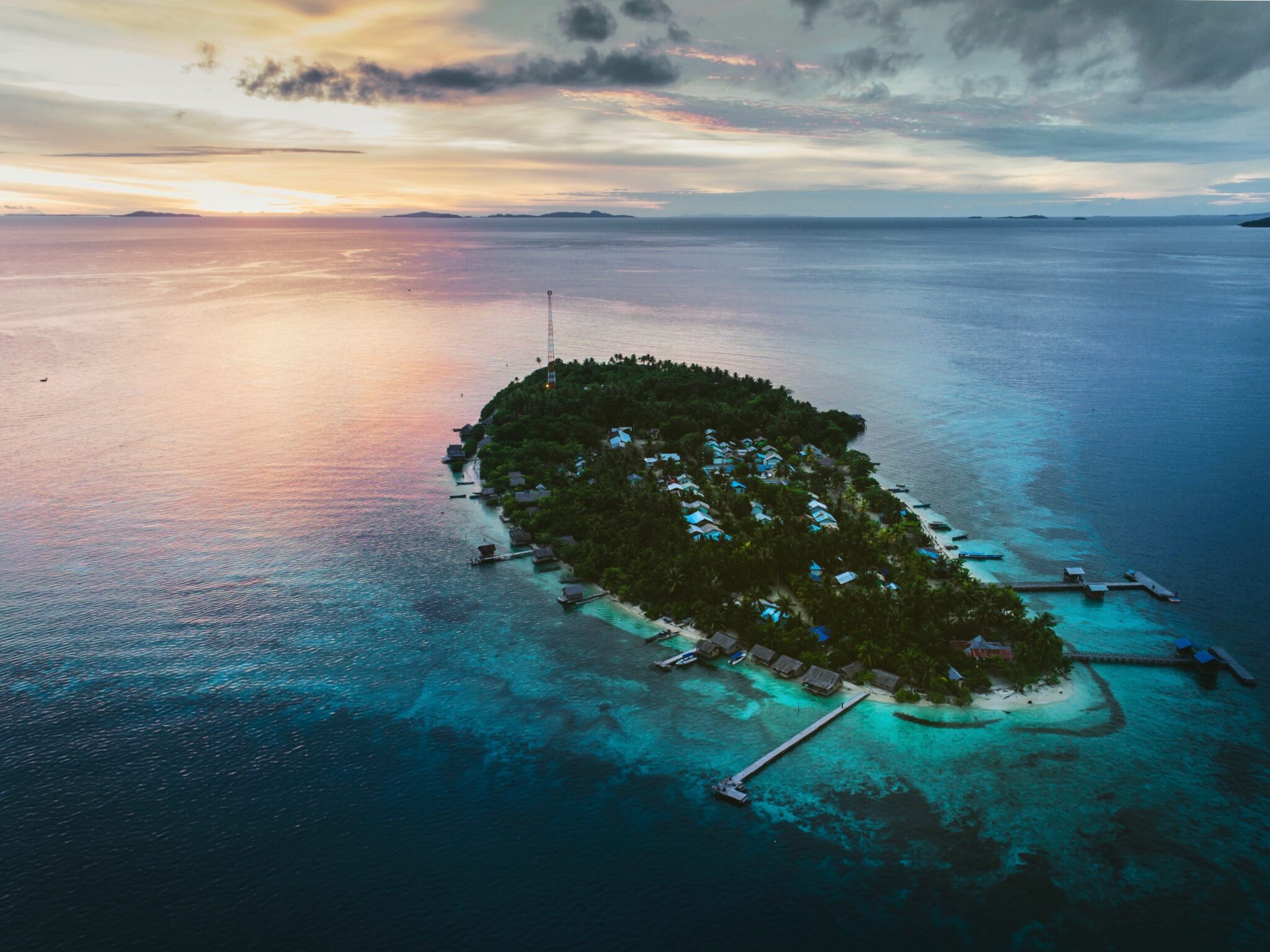
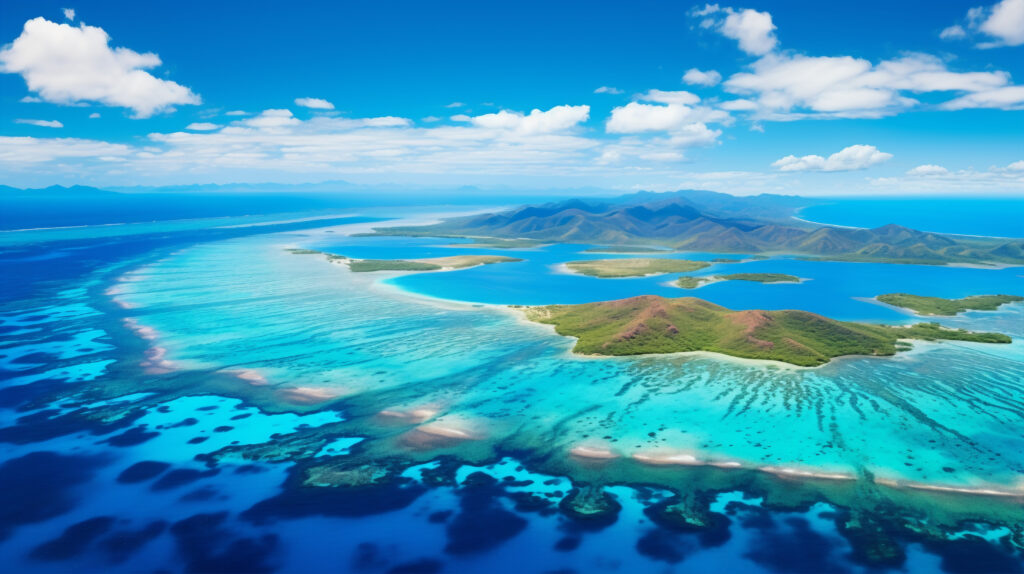
Kiribati, officially the Republic of Kiribati, is an island country in the Micronesia sub-region of Oceania in the central Pacific Ocean. The state comprises 32 atolls and other islands and one remote raised coral island, Banaba. Its total land area is 811 km2 (313 sq. mi) dispersed over 3,441,810 km2 (1,328,890 sq. mi) of ocean. The spread of the country’s islands, from Banaba in the west to Kiritimati in the east straddles the equator and the 180th meridian. The International Date Line goes around Kiribati and swings far to the east, almost reaching 150°W. This brings Kiribati’s easternmost islands, the southern Line Islands south of Hawaii, into the same day as the Gilbert Islands and places them in the most advanced time zone on Earth: UTC+14. The permanent population of Kiribati is over 119,000 as of the 2020 census, and more than half live on Tarawa. Kiribati is a member of the Pacific Community, Commonwealth of Nations, the International Monetary Fund, the World Bank, and the Organisation of African, Caribbean and Pacific States, and became a full member of the United Nations in 1999.
The economy of Kiribati benefits from international development assistance programs. Doing business in Kiribati involves a 6-procedure, 21-day, and relatively high-cost incorporation process, often with manual, paper-based operations. Key requirements include registering with the Registrar of Companies (MCIC), obtaining a business license (AUD 100-600), securing a TIN from the Kiribati Revenue Authority, and registering with the Kiribati National Provident Fund. Kiribati has managed to develop a tourism industry which now accounts for about one-fifth of GDP. The economy grew by 1.8% in 2006, while inflation hovered between 3 and 4%. Kiribati is a member of the Pacific Community, the South Pacific Forum and the Asian Development Bank. Kiribati is also involved with various regional initiatives to promote economic development. Kiribati is one of the 14 signatories to the Pacific Islands Countries Trade Agreement, agreed in 2001, which plans measures to boost regional trade.
ADVANTAGES
Vast Exclusive Economic Zone (EEZ):
Kiribati has one of the largest EEZs in the world, spanning over 3.5 million square kilometres. This offers substantial opportunities in commercial fisheries, aquaculture, and marine-based industries, which is a primary source of government revenue.
Strategic Location:
Situated in the central Pacific, Kiribati’s location can be strategic for logistics, shipping, and connectivity services along Pacific trade routes.
Abundant Natural Resources & Blue Economy Potential:
Beyond fisheries, the pristine environment provides a strong foundation for eco-tourism, world-class diving sites, and environmental conservation projects. The government actively promotes the “blue economy”.
Government Commitment & Incentives:
The government is committed to economic development and offers incentives for investors, such as potential tax exemptions, customs exemptions, and investment protection, to foster a business-friendly environment.
Emerging Sustainable Markets:
There are opportunities in renewable energy (solar, sustainable infrastructure), climate-resilient development projects, and sustainable agriculture technologies (hydroponics, aquaponics), supported by government initiatives to address climate change and energy needs.
Political Stability:
Kiribati enjoys political stability as a presidential republic, which can provide a more predictable environment for long-term investments.
Currency Stability:
The use of the Australian dollar (AUD) as the official currency provides a degree of monetary stability.
TAX REGIME
Corporate Tax:
The standard rate for companies is 25%, but businesses with “pioneer status” may qualify for a reduced rate of 10% for 5 years.
Value Added Tax (VAT/GST):
A consumption tax is applied, with rates reported between 12.5% and 16% on goods and services, including imports.
Personal Income Tax:
Levied on individual earnings, with PAYE (Pay As You Earn) systems in place.
Withholding Tax:
A 30% withholding tax applies to payments made to non-residents for services, interest, or royalties sourced in Kiribati.
Compliance & Administration:
The Tax Division requires VAT returns 15 days after the quarter ends, and monthly withholding taxes (PAYE) must be paid within 21 days after the month-end.
KIRIBATI COMPANIES
Private Limited Liability Company (LLC):
A popular, flexible structure for SMEs, often used for government contracts, offering limited liability to shareholders.
Sole Trader / Proprietorship:
A simple structure operated by one person, commonly used by individuals.
Partnership:
An agreement between two or more people to share business profits and losses.
Cooperative:
A structure designed primarily to provide services to its members rather than maximizing profit.


RELATED BLOGS
Contact Us
Get in touch with the right people to get the right help in setting up your business in Kiribati.
enquiries@chandrawatpartners.com.